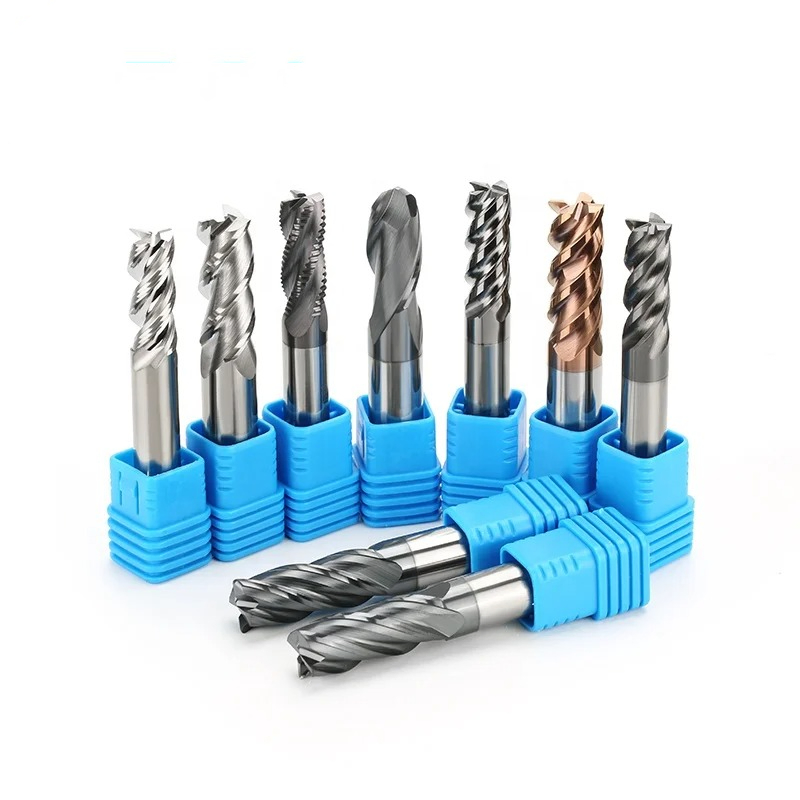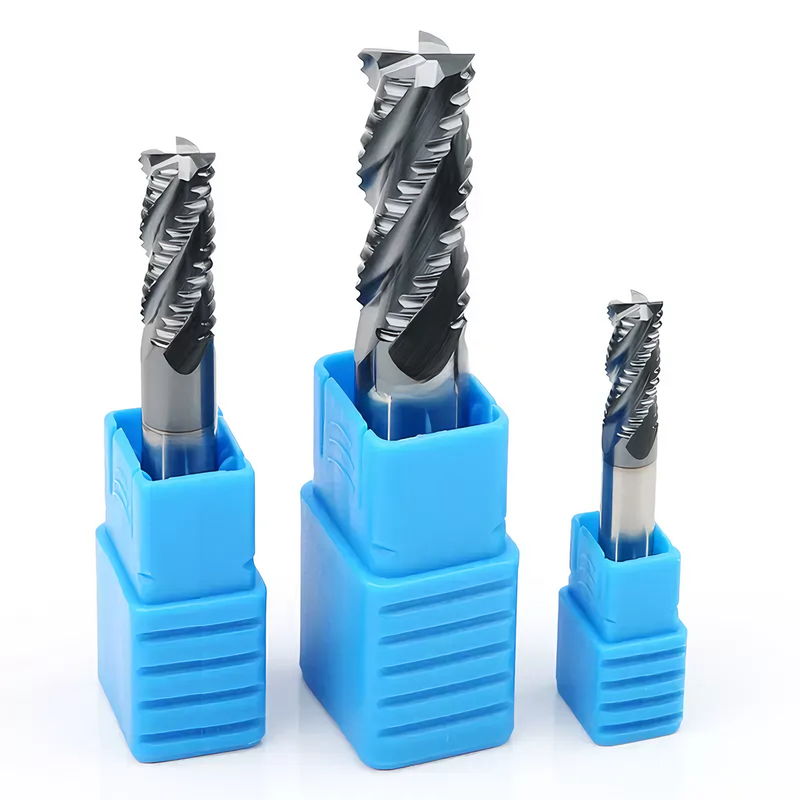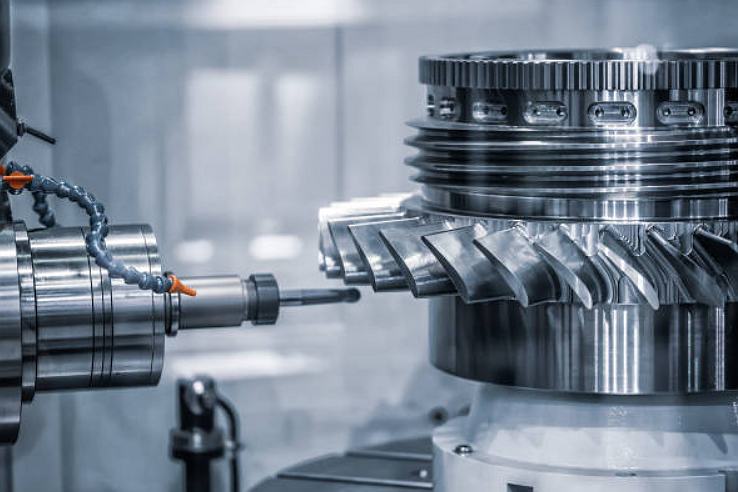
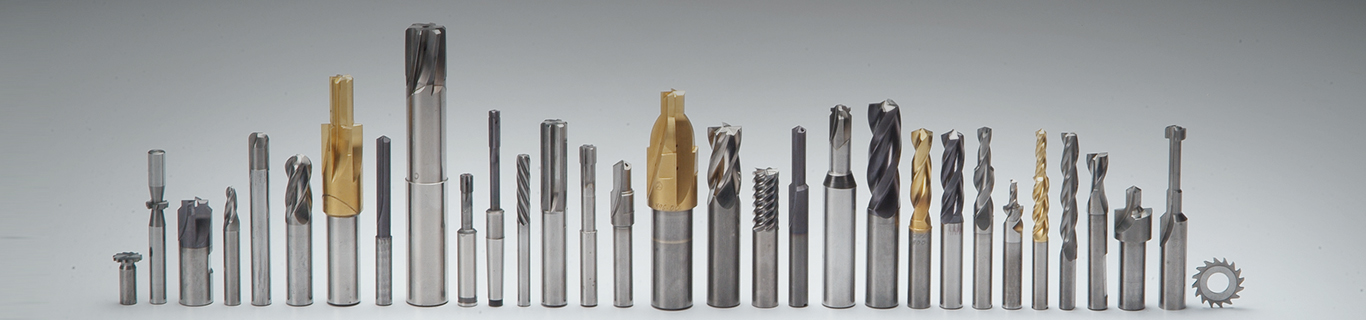
End mills are among the most versatile cutting tools in CNC machining. They are used across many industries because they can remove material, shape parts, and create complex geometries with high accuracy. Below is a clear, application-based explanation of what end mills are used for, with detailed instructions on why and how they are effective in each application. The content is written for B2B users, CNC manufacturers, and distributors.
1. Slotting
What it is:
Cutting straight or curved slots into a workpiece.
Why end mills are good for it:
End mills have cutting edges on both the end and the sides, allowing them to plunge into material and cut sideways. This makes them ideal for producing accurate slot widths.
How they are used:
- Square end mills are most common
- Tool diameter defines slot width
- Proper flute count ensures smooth chip evacuation
- Rigid carbide tools allow deeper cuts with less deflection
Typical industries:
Automotive, machinery, mold & die, fixtures
2. Pocket Milling
What it is:
Removing material inside a closed boundary to create cavities or pockets.
Why end mills are good for it:
End mills can follow complex tool paths and remove material gradually while maintaining wall accuracy.
How they are used:
- Helical or ramp entry prevents tool overload
- Roughing end mills remove bulk material efficiently
- Finishing end mills refine pocket walls and floors
- Corner radius end mills improve tool life
Typical industries:
Aerospace, mold & die, CNC job shops
3. Profile and Contour Milling
What it is:
Cutting the outer shape or contours of a part.
Why end mills are good for it:
Their side cutting edges allow smooth profiling along straight and curved paths.
How they are used:
- Square end mills for sharp corners
- Ball nose end mills for curved profiles
- Variable flute tools reduce vibration
- Accurate diameter tolerance ensures dimensional precision
Typical industries:
Aerospace structures, machine components, tooling
4. Facing and Surface Milling
What it is:
Creating flat, smooth surfaces on a workpiece.
Why end mills are good for it:
End mills provide stable side cutting and precise depth control for consistent surface quality.
How they are used:
- Flat end mills for controlled surface finish
- High helix angles improve surface smoothness
- Finishing passes use lighter cuts
- Coated tools enhance wear resistance
Typical industries:
General machining, mold bases, mechanical parts
5. 3D Contouring and Free-Form Machining
What it is:
Machining complex 3D shapes and curved surfaces.
Why end mills are good for it:
Ball nose end mills can follow 3D tool paths smoothly without leaving sharp transitions.
How they are used:
- Small step-over for smooth surfaces
- Ball nose radius defines surface accuracy
- Consistent feed prevents tool marks
- Carbide construction ensures rigidity
Typical industries:
Mold & die, aerospace, medical components
6. Roughing and Heavy Material Removal
What it is:
Removing large amounts of material quickly in early machining stages.
Why end mills are good for it:
Roughing end mills are designed to reduce cutting forces while allowing aggressive feeds and depths.
How they are used:
- Serrated cutting edges break chips
- Higher feed rates reduce cycle time
- Reduced vibration protects machines and tools
- Followed by finishing tools for accuracy
Typical industries:
Heavy machinery, steel fabrication, automotive
7. Finishing Operations
What it is:
Final passes to achieve tight tolerances and smooth surface finish.
Why end mills are good for it:
Precise geometry and sharp cutting edges allow controlled, light cuts.
How they are used:
- Corner radius or ball nose tools for edge strength
- Stable spindle speed and feed rates
- Small depth of cut for accuracy
- High-quality coatings reduce wear
Typical industries:
Medical, aerospace, precision components
8. Chamfering and Edge Breaking
What it is:
Creating beveled edges or removing sharp edges.
Why end mills are good for it:
Chamfer end mills provide consistent angles and clean edges.
How they are used:
- Controlled depth for uniform chamfer size
- Improves part safety and assembly fit
- Reduces burrs and edge damage
Typical industries:
Automotive, machinery, CNC production lines
9. Thread Milling
What it is:
Cutting internal or external threads using circular interpolation.
Why end mills are good for it:
Thread end mills allow precise thread profiles and flexibility across sizes.
How they are used:
- One tool covers multiple thread diameters
- Suitable for blind holes
- Reduced risk of tool breakage
- Accurate thread control in hard materials
Typical industries:
Aerospace, automotive, precision machining
10. Machining Difficult Materials
What it is:
Cutting materials such as stainless steel, titanium, and superalloys.
Why end mills are good for it:
Advanced carbide grades and coatings withstand heat and wear.
How they are used:
- Correct coating selection (TiAlN, AlCrN)
- Optimized geometry for heat control
- Stable cutting parameters prevent tool failure
Typical industries:
Aerospace, energy, medical
Summary: Why End Mills Are Essential
End mills are used because they offer:
- Multi-directional cutting capability
- Precision and flexibility
- Suitability for many materials and industries
- Compatibility with modern CNC machining
By understanding these applications, customers can select the correct end mill type, geometry, and coating from your product catalog with confidence.