Choosing the right end mill is not about finding the most expensive tool or the most aggressive geometry. It is about matching the end mill to your specific manufacturing application. When the tool, material, machine, and process work together, you achieve higher productivity, longer tool life, and more stable machining.
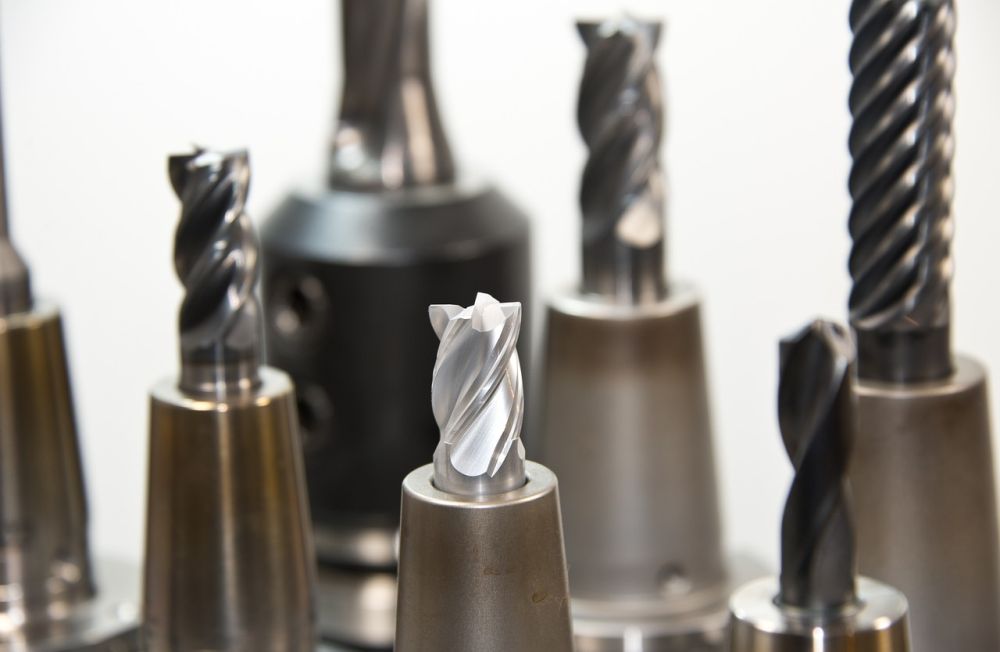
This guide is written for beginners and intermediate users who want to understand how to select end mills based on real manufacturing performance, not just catalog descriptions.
After reading this article, you will understand:
- Why “performance” depends on the application
- How different manufacturing industries use end mills differently
- Which end-mill features matter most for each type of production
- How to make practical selection decisions for consistent results
1. What “Performance” Really Means in Manufacturing
Before choosing an end mill, you must define what performance means for your application. Performance is not the same in every manufacturing environment.
Common Performance Goals
- Longer tool life
- Faster cycle time
- Better surface finish
- Stable and repeatable results
- Lower cost per part
For example:
- A mold shop may prioritize surface finish and accuracy
- An automotive line may prioritize speed and tool life
- A job shop may prioritize flexibility and reliability
There is no “best end mill” — only the best end mill for your application.
2. Start with the Manufacturing Industry
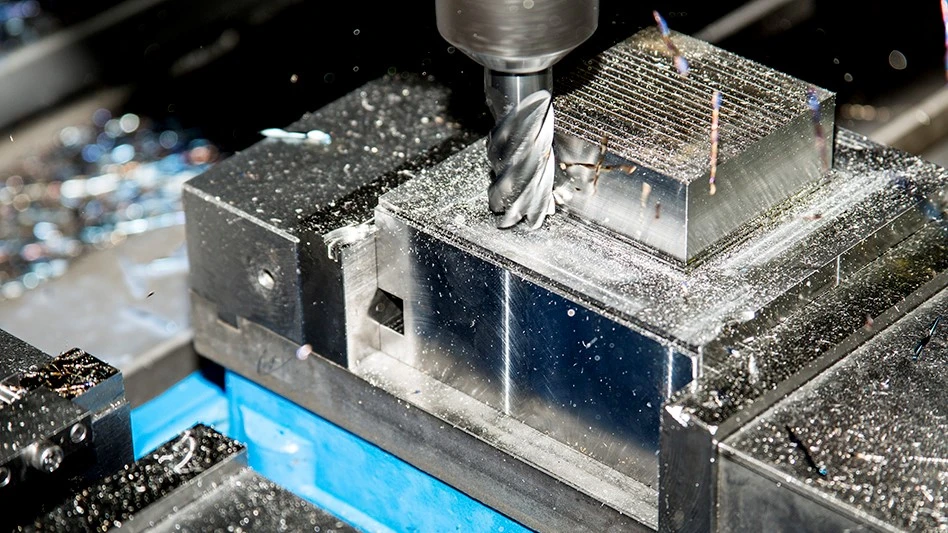
Different industries place very different demands on end mills. Understanding your manufacturing environment helps narrow down the correct tool type immediately.
Typical Manufacturing Categories
- Aerospace
- Automotive
- Mold & Die
- Medical
- General CNC job shops
- Heavy machinery and industrial parts
Each category uses end mills differently.
3. Choosing End Mills for Aerospace Manufacturing
Manufacturing Characteristics
- Lightweight materials (aluminum, titanium)
- Complex geometries
- Tight tolerances
- Long machining cycles
Performance Priorities
- Dimensional accuracy
- Stable cutting
- Heat resistance
- Consistent tool behavior
End Mill Selection Guidelines
- Use solid carbide end mills for rigidity
- Choose variable flute designs to reduce vibration
- For aluminum: fewer flutes, polished flutes
- For titanium: strong core, heat-resistant coatings (TiAlN, AlCrN)
- Prefer shorter tools whenever possible for stability
In aerospace, predictable performance is often more important than maximum speed.
4. Choosing End Mills for Automotive Manufacturing
Manufacturing Characteristics
- High-volume production
- Repetitive operations
- Mixed materials (steel, cast iron, aluminum)
Performance Priorities
- Tool life
- Cycle time
- Cost per part
- Consistency across batches
End Mill Selection Guidelines
- Application-specific end mills outperform general tools
- Roughing end mills for fast material removal
- Durable coatings to handle long production runs
- Consistent diameter tolerance for automated machining
In automotive production, repeatability and durability define performance.
5. Choosing End Mills for Mold & Die Manufacturing
Manufacturing Characteristics
- 3D surfaces
- Deep cavities
- High surface finish requirements
Performance Priorities
- Surface quality
- Tool stability
- Accuracy
End Mill Selection Guidelines
- Ball nose end mills for 3D contouring
- Corner radius end mills to reduce edge chipping
- Smaller step-over for finishing
- Sharp cutting edges and smooth geometry
For mold and die work, performance means precision and finish, not aggressive cutting.
6. Choosing End Mills for Medical Manufacturing
Manufacturing Characteristics
- Small parts
- Tight tolerances
- Difficult materials (stainless steel, titanium)
Performance Priorities
- Accuracy
- Clean surface finish
- Minimal burrs
End Mill Selection Guidelines
- Micro or small-diameter carbide end mills
- High-precision grinding tolerances
- Stable flute geometry
- Coatings that reduce heat and wear
In medical manufacturing, control and reliability are critical.
7. Choosing End Mills for General CNC Job Shops
Manufacturing Characteristics
- Wide variety of materials
- Short production runs
- Frequent tool changes
Performance Priorities
- Versatility
- Reliability
- Ease of use
End Mill Selection Guidelines
- General-purpose carbide end mills
- Balanced flute counts (3–4 flutes)
- Standard lengths
- Tools suitable for multiple materials
Job shops benefit from flexible tools that perform well in many situations.
8. Match the End Mill to the Workpiece Material
Material selection is one of the biggest factors in end-mill performance.
Aluminum
- Soft, sticky material
- Requires sharp edges and chip space
Best choices:
- 2 or 3 flutes
- Polished flutes
- Uncoated or DLC coated
Steel
- Strong and abrasive
Best choices:
- 4 or more flutes
- Strong cutting edges
- TiAlN or AlCrN coatings
Stainless Steel
- Tough and work-hardening
Best choices:
- Sharp but strong geometry
- Reduced vibration designs
- Heat-resistant coatings
Matching geometry to material directly improves performance.
9. Choose the Right End Mill Shape
The shape defines what the tool can do efficiently.
Square End Mills
- Slotting
- Pocketing
- General machining
Ball Nose End Mills
- 3D contouring
- Mold surfaces
- Curved profiles
Corner Radius End Mills
- Improved tool life
- Semi-finishing and finishing
Choosing the wrong shape often leads to poor results even with correct speeds and feeds.
10. Flute Count and Its Impact on Performance
Flutes affect both strength and chip evacuation.
Fewer Flutes
- Better chip removal
- Suitable for soft materials
More Flutes
- Stronger cutting edges
- Better for harder materials
Variable Flutes
- Reduced chatter
- Smoother cutting
Flute selection should always reflect material and cutting strategy.
11. Tool Length and Rigidity
Longer tools are not better — they are weaker.
Performance Impact
- Longer tools increase vibration
- Shorter tools allow higher cutting parameters
Best Practice
Always choose the shortest tool that can reach the machining area. This simple rule improves performance in almost every application.
12. Coatings and Their Role in Performance
Coatings protect the tool and control heat.
When Coatings Matter Most
- High-speed machining
- Hard materials
- Long production runs
Common Coating Functions
- Reduce friction
- Improve heat resistance
- Extend tool life
Using the wrong coating can reduce performance instead of improving it.
13. Machine Capability Must Match the Tool
Even the best end mill cannot perform well on an unsuitable machine.
Important Machine Factors
- Spindle speed
- Rigidity
- Tool holder quality
- Coolant system
If your machine is less rigid, choose:
- Fewer flutes
- Stronger geometry
- Conservative cutting parameters
Tool selection should always consider machine limitations.
14. Stock vs Custom End Mills for Performance
Stock End Mills
- Fast availability
- Lower cost
- Suitable for common applications
Custom End Mills
- Optimized geometry
- Higher performance in specific tasks
- Lower cost per part in production
Many manufacturers start with stock tools and move to custom tools after process validation.
15. Supplier Support Affects Performance
Performance is not just about the tool itself.
A good supplier provides:
- Clear application recommendations
- Speed and feed guidance
- Consistent quality
- Stable supply
For many manufacturers, strong technical support directly improves machining results.
16. Common Mistakes That Reduce Performance
- Choosing tools based only on price
- Using one tool for all materials
- Selecting long tools unnecessarily
- Ignoring vibration issues
- Skipping application guidance
Avoiding these mistakes often delivers immediate performance improvement.
17. A Simple Performance-Focused Selection Checklist
Before selecting an end mill, ask:
- What industry and application is this for?
- What material am I machining?
- Is this roughing or finishing?
- What shape and flute count are required?
- What tool length is really needed?
- Does the coating match the application?
- Can my machine support this tool?
Final Thoughts
High-performance end milling is not about pushing limits blindly. It is about making smart, application-specific choices.
When you select end mills based on:
- Manufacturing type
- Material
- Operation
- Machine capability
you achieve better tool life, higher productivity, and more predictable results.
If you need help selecting the right end mill for your specific manufacturing application, working with a supplier that understands both tooling and real machining conditions will always lead to better performance.